

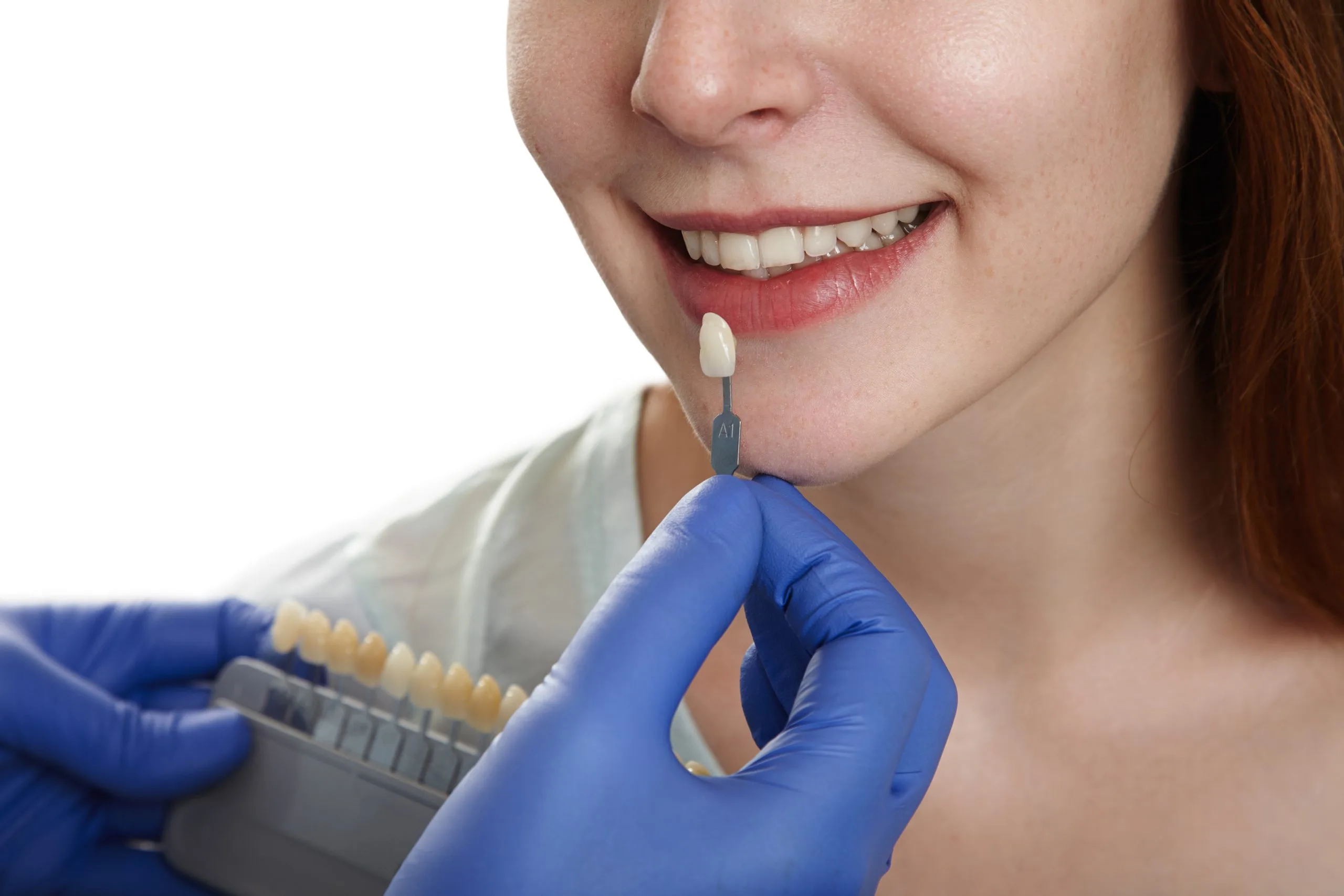
Dental crowns are designed to protect damaged teeth, restore their strength, and improve the appearance of your smile. While crowns are durable, they are not considered permanent restorations. With proper care, many dental crowns can last for years, but their lifespan depends on factors such as the material used, oral hygiene, bite pressure, and everyday habits. Understanding how long dental crowns last and how to maintain them can help protect your investment and keep your restored tooth healthy.
A dental crown can often last between 10 and 15 years, although some may remain functional for significantly longer with proper care. The actual lifespan varies from person to person and depends on the condition of the underlying tooth and the amount of stress placed on the crown.
Crowns may need replacement sooner if they become cracked, loose, worn down, or damaged. Regular dental examinations allow your dentist to monitor the restoration and identify potential problems before they become more serious.
Several factors can influence how long a crown remains strong and functional.
Different crown materials have different levels of durability. Porcelain and ceramic crowns can provide a natural appearance, while other materials may offer greater resistance to heavy chewing forces. Your dentist can recommend an appropriate option based on the location of the tooth and your individual needs.
Good oral hygiene is essential for protecting both the crown and the natural tooth underneath it. Although a crown itself cannot develop decay, the tooth surrounding the crown can still be affected by plaque and bacteria.
Teeth that experience significant chewing pressure may place additional stress on a crown. People who grind or clench their teeth may also experience faster wear or damage. Addressing these habits can help extend the life of a restoration.
Chewing ice, hard objects, or other non-food items can damage dental crowns. Avoiding these habits can reduce unnecessary pressure and help preserve the restoration.
Proper maintenance can significantly contribute to the longevity of a dental crown treatment. Brush your teeth twice a day with fluoride toothpaste and clean between your teeth daily. Pay particular attention to the area around the crown, where plaque can accumulate along the gumline.
Routine dental visits are also important. Your dentist can examine the crown, surrounding gums, and underlying tooth to make sure everything remains healthy. If you notice sensitivity, discomfort, a loose crown, or a change in your bite, schedule an evaluation rather than waiting for the problem to worsen.
If you grind or clench your teeth, your dental provider may also recommend a custom mouthguard. Reducing excessive pressure can help protect your crown and other teeth from premature wear.
Dental crown care do not necessarily need to be replaced simply because they have reached a certain number of years. Instead, replacement is generally considered when the restoration is no longer providing adequate protection or has developed a problem.
Signs that a crown may need professional attention include:
A damaged crown can leave the underlying tooth vulnerable. Prompt evaluation can help determine whether the crown can be repaired or should be replaced.
When a crown is no longer functioning properly, the dentist will evaluate the restoration and the tooth beneath it. The existing crown may need to be removed so the underlying tooth can be examined for decay, infection, cracks, or other concerns.
If the tooth remains healthy enough to support a new restoration, a replacement crown may be recommended. The appropriate material and design will depend on the tooth’s location, appearance, function, and overall condition.
At Dentcare Now, Our Team focuses on restoring damaged teeth while protecting long-term oral health. An evaluation can help determine whether an existing crown remains effective or whether another treatment is more appropriate.
Dental crowns can provide reliable protection and function for many years, with proper care often helping them last 10 to 15 years or longer. Maintaining good oral hygiene, attending regular dental visits, avoiding damaging habits, and addressing teeth grinding can all support a longer-lasting restoration.
If your crown is damaged, loose, uncomfortable, or showing signs of wear, professional evaluation can help prevent additional complications. Dentcare Now can assess your restoration and recommend the appropriate next step for maintaining a healthy, functional smile.

About the Author
Dr. Rasheeda Johnson
Rasheeda Johnson has spent most of her life in a dental office. Since adolescence she has shadowed and worked as a certified dental assistant in her mentor’s dental practices. This early exposure to the dental profession created a desire to pursue a career in dentistry.
In Pain? Don't Wait.
August 16, 2026